Your Watch Says You’re Stressed. What, Exactly, Does It Know?
A “high stress” alert can reflect poor sleep, a hard workout, alcohol, illness, a warm bedroom—or psychological pressure. Here is what wearable stress and readiness scores actually infer from pulse data, and how to use them without handing over your judgment.
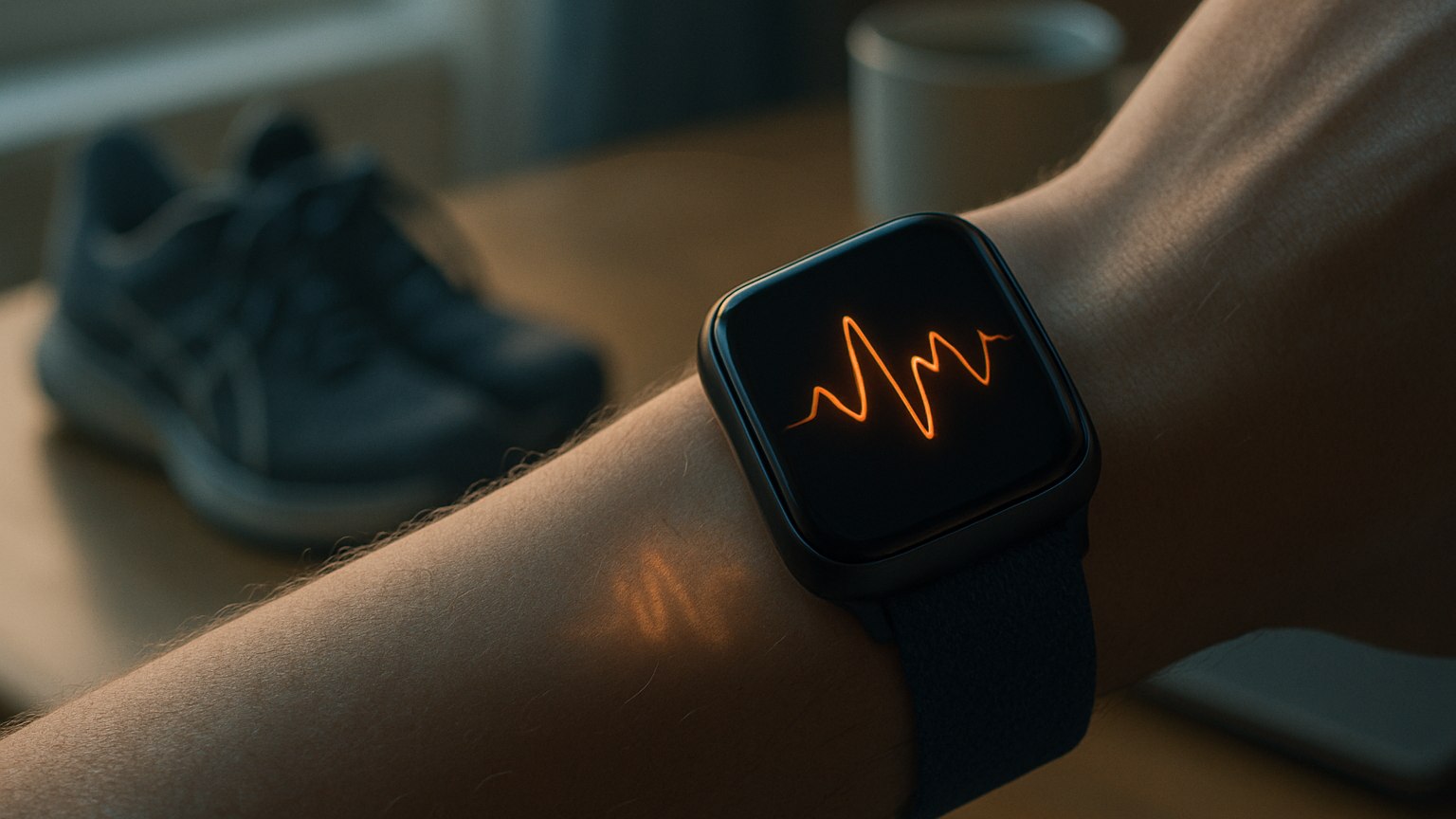
At 8:14 a.m., your watch may declare that you are stressed before you have answered an email, argued with anyone, or consciously felt worried. The apparent certainty is seductive. But the device has not detected your mood in the ordinary sense. It has detected a pattern in your body—usually changes in pulse timing, heart rate, sleep or recent exertion—and translated that pattern into a consumer-friendly label. The crucial word is translated. A stress or readiness score is an interpretation of physiological data, not a direct reading of your inner life.
The signal beneath the score
Most wrist wearables begin with photoplethysmography, or PPG: green (and sometimes other) LEDs shine into the skin, while a sensor tracks tiny changes in reflected light as blood volume rises and falls with each pulse. From those pulses, software estimates heart rate and the changing intervals between beats. That second measure is often described as heart-rate variability, or HRV, though an optical watch technically measures pulse-rate variability rather than the R–R intervals obtained by an electrocardiogram (ECG). Under quiet, controlled conditions, the two can align reasonably well; in everyday movement, the relationship gets less stable.
HRV is not a score for serenity. It is a family of mathematical descriptions of how much the spacing between heartbeats changes over time. Breathing, posture, recent training, sleep, alcohol, fever, medication, hydration, time of day and ordinary measurement noise can all affect it. Psychological strain may affect these patterns too, but it is only one possible contributor. That is why a low-HRV night after a late meal, a virus, a strenuous race or fragmented sleep can look physiologically “stressful” even if the person feels emotionally fine.
A 2026 systematic review and meta-analysis of PPG-derived pulse-rate variability found that agreement with ECG-derived HRV is generally more interpretable at rest or under controlled recording conditions, while real-world devices and settings introduce greater variability through sensor location, motion, preprocessing and recording choices. A separate tutorial on wearable reliability similarly found that reliability varies not just by sensor but by situation, with measurements performing best during sleep. That makes overnight trends more useful than an anxious glance at a midday number after coffee and a subway sprint.
How “stress” becomes a number
Each brand builds a different story around overlapping inputs. Garmin says its 0–100 stress level is estimated from HRV, with less beat-to-beat variation generally mapped to higher stress; it also marks periods of substantial activity as “unmeasurable,” rather than pretending it can separate exercise strain from other causes in real time. Garmin’s own support documentation is notably clear that training, sleep, nutrition and other external factors can influence the reading. In other words, its metric is closer to a running estimate of autonomic load during non-exercise periods than a verdict on whether your day is psychologically overwhelming.
Readiness scores widen the frame. Oura’s current score uses nine contributors, comparing overnight resting heart rate, HRV, body-temperature change, sleep and recent activity with the wearer’s own baseline. Its system takes time to establish those personal averages, and its “long-term” comparison window refers to roughly two months of data. Oura’s explanation of Readiness Contributors makes the implication plain: the score is designed to flag a departure from your usual physiology, not to rank you against a universal ideal or diagnose the cause of a bad night.
Fitbit and Google have used a still broader sensor mix for some stress-oriented features. Their published description of Fitbit’s Body Response feature says its machine-learning system may use electrodermal activity—changes in skin conductance associated with sweat-gland activity—alongside heart rate, HRV and skin temperature. Yet even adding sensors does not manufacture a single, objective “stress” ground truth. Google’s account of the feature describes an effort to identify bodily responses associated with stress, rather than a technology that can tell whether an alert came from stage fright, delight, infection, an intense meeting or a hot walk uphill.
The category error: treating arousal as emotion
The body has limited ways to signal that something demands resources. Heart rate can rise; beat-to-beat timing can change; skin conductance can shift. Those responses may accompany fear, concentration, excitement, anger, illness, pain, caffeine or physical work. A watch is often better at noticing arousal, strain or altered recovery than at identifying its meaning. That distinction matters because the same physiological pattern can accompany a difficult presentation and a thrilling concert.
Research on PPG-based stress detection reflects this ambiguity. A scoping review of wearable PPG and stress detection found promising results, but also a literature dominated by small datasets, laboratory protocols and inconsistent ways of establishing “ground truth.” Studies may use self-report questionnaires, induced tasks or biomarkers such as cortisol, each of which captures a different part of the stress experience. The review concluded that considerable work remains before such monitoring can be broadly useful in real-world mental-health contexts.
This does not make the scores worthless. It changes the question they can answer. “Am I stressed?” is broad, personal and contextual. “Did my overnight physiology differ from its recent pattern after three short nights and two hard workouts?” is far nearer to what the device can support. A score can be a useful prompt for curiosity: What changed? It is a poor substitute for noticing how you feel, reviewing your circumstances or assessing symptoms that matter.
What a sensible response looks like
Use the underlying trend before the headline score. If HRV is lower than usual, resting heart rate higher, sleep poorer and you also feel depleted, that convergence may justify an easier training day, an earlier bedtime, more recovery and a look at recent habits. If one number looks odd while you feel normal and the rest of your data are ordinary, treat it as a data point—not an instruction. The most revealing comparisons are usually within the same person, at similar times and under similar conditions.
- Check context first. Ask about sleep, alcohol, illness, menstrual-cycle changes, travel, hard exercise, heat, medication changes and an imperfect fit before assigning the result an emotional explanation.
- Favor patterns over spikes. A week or two of consistent deviation is more informative than a single disappointing morning.
- Do not optimize for a score. Slow breathing or lying still may change a short-term signal, but that is not the same as resolving fatigue, anxiety, infection or overtraining.
- Let symptoms outrank the dashboard. Chest pain, fainting, significant shortness of breath, persistent palpitations, severe mood symptoms or a sustained sense that something is wrong deserve clinical attention regardless of what an app says.
There is also a regulatory reason not to overread wellness language. The U.S. Food and Drug Administration’s January 2026 general-wellness guidance distinguishes low-risk products that display trends or summaries related to stress, recovery and sleep from products intended for diagnosis, disease monitoring or treatment decisions. The FDA guidance does not mean every wearable feature is unhelpful; it means a wellness score should not be confused with a clinical assessment.
A better way to read the wrist
A wearable can make invisible patterns visible: the accumulated cost of short sleep, the after-effects of a hard block of training, the bodily disruption of travel, or the recovery that follows a quieter week. That is real value. But the device does not know why your physiology changed, whether the change is harmful, or what choice is right for you today. It knows a narrow, noisy slice of bodily timing—and an algorithm has given that slice a name.
The most useful mental rewrite is simple: when your watch says “stressed,” read it as “something in my recent physiology differs from my baseline.” That is less dramatic than a verdict on your nervous system. It is also more accurate, more actionable and less likely to turn a health tool into one more source of anxiety.
Sources and references
- Accuracy of Photoplethysmography-Derived Pulse Rate Variability Compared with Electrocardiography-Derived Heart Rate Variability: A Systematic Review and Meta-Analysis
- On the Reliability of Wearable Technology: A Tutorial on Measuring Heart Rate and Heart Rate Variability in the Wild
- What Is the Stress Level Feature on My Garmin Device?
- Readiness Contributors
- How we trained Fitbit’s Body Response feature to detect stress
- Photoplethysmography Enabled Wearable Devices and Stress Detection: A Scoping Review
- General Wellness: Policy for Low Risk Devices
More to read
Acupressure, Meridians and the Art of Useful Touch: 10 Traditional Points to Know
Acupressure is a needle-free practice rooted in Chinese medicine’s channel theory. Here is its long history, …

The Lens That Becomes a Life: How Mental Paradigms Shape What We Notice, Choose and Call “Manifestation”
Our deepest assumptions do not necessarily command the universe, but they can strongly influence perception, …

The List Is Not the Tradition: Why Living Heritage Cannot Be Preserved Like a Monument
UNESCO can recognize a ritual, a craft or a musical tradition—but recognition is not the same as keeping it a…
Apps to use
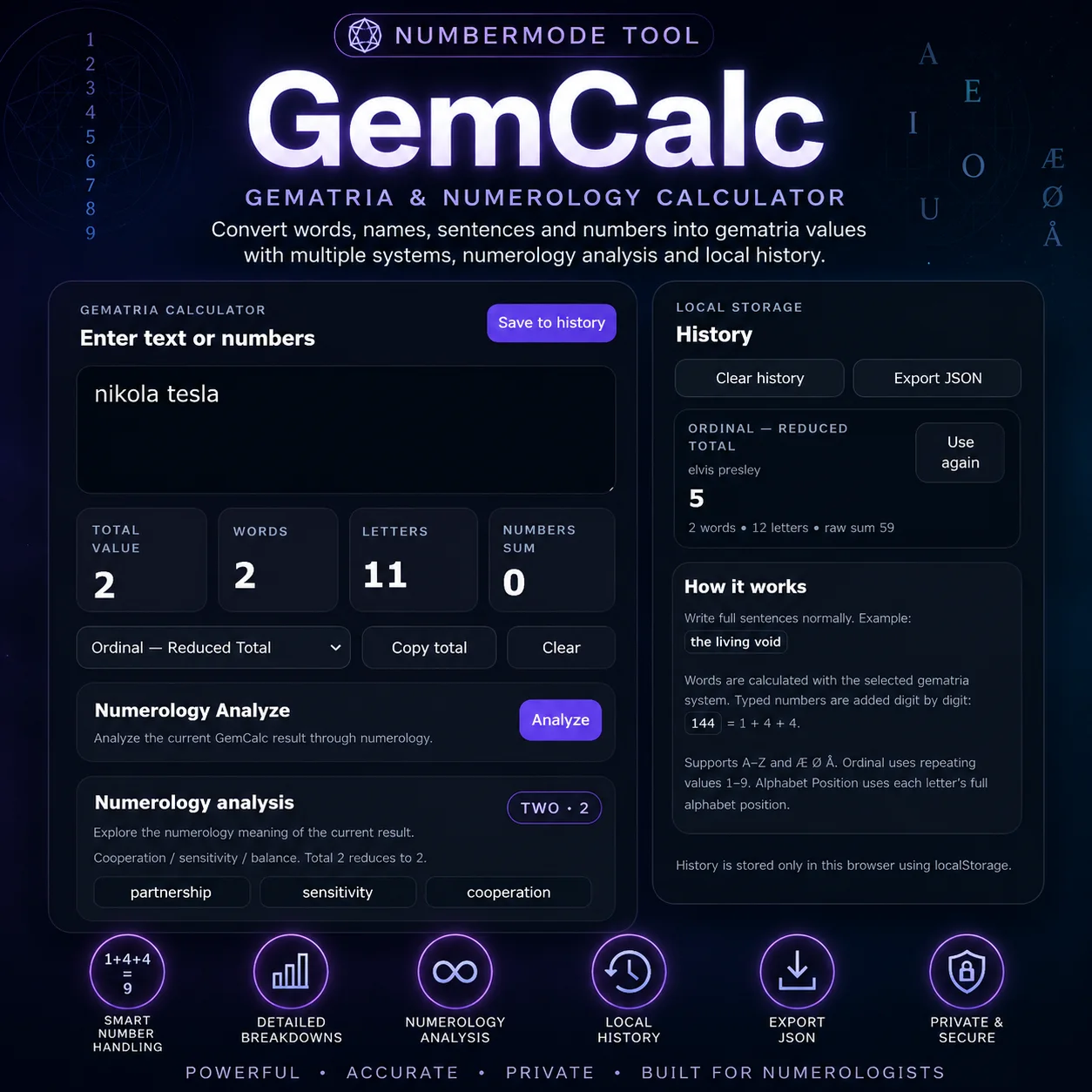
GemCalc
A powerful gematria and numerology calculator for converting words, names, phrases and numbers into meaningfu…
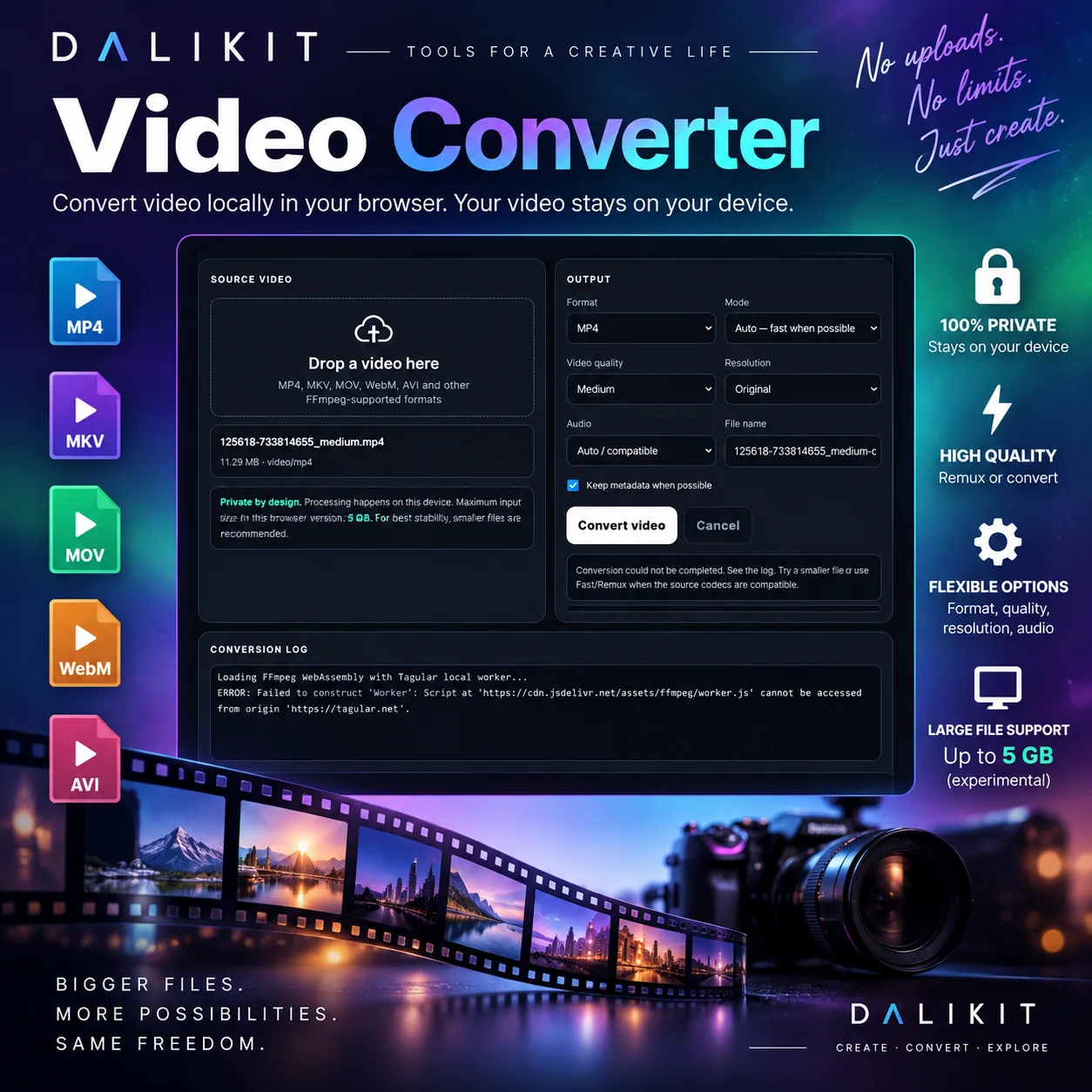
Video Converter
Convert videos between popular formats directly in your browser — privately, locally, and without uploading y…
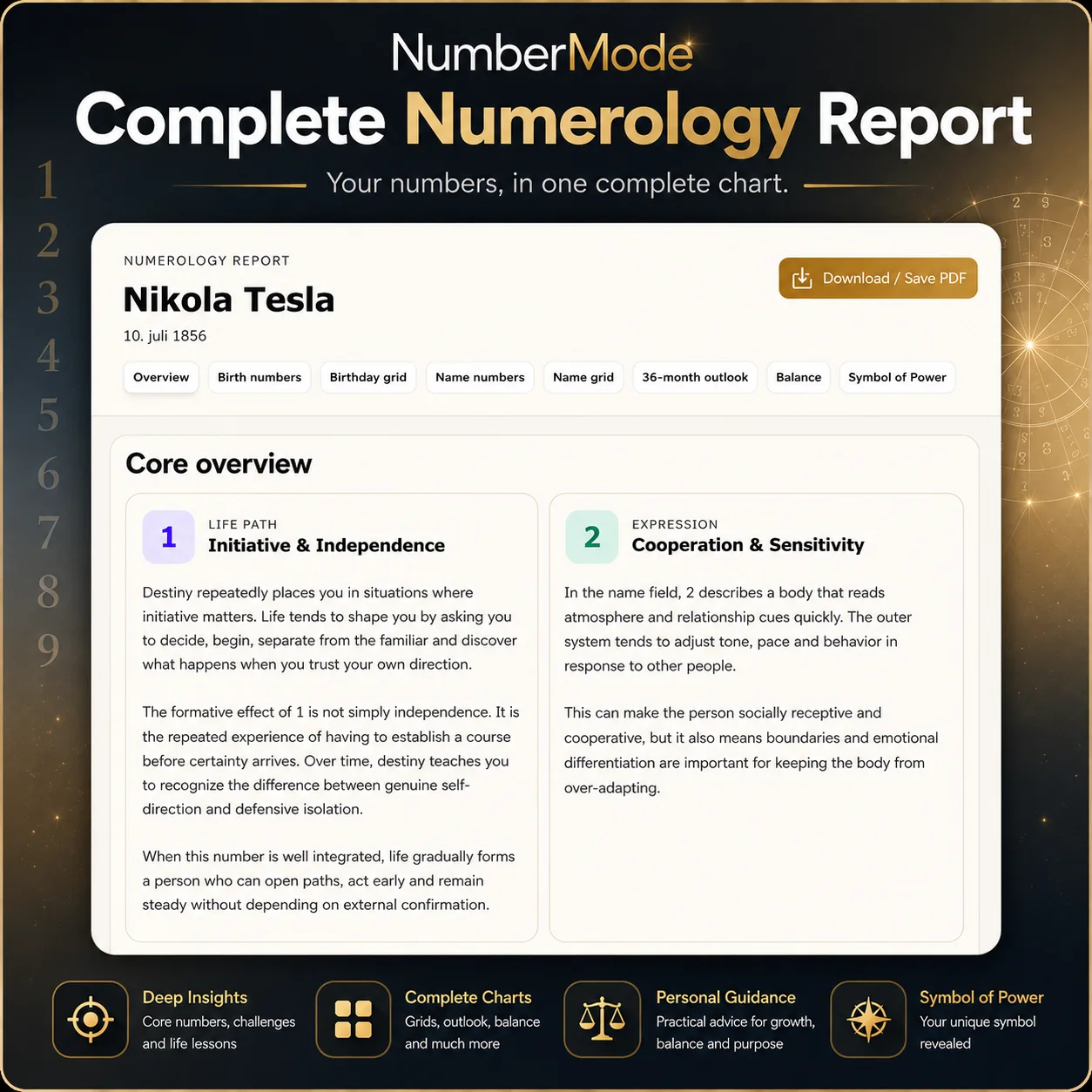
Complete Numerology Report
Turn your name and birthdate into a complete numerology report covering your core numbers, challenges, grids,…